 Huli huahana
ZN-V1160 Kikowaena Mīkini Vertical
Cat:Kikowaena Mīkini Vertical
Hoʻopaʻa ʻia kēia moʻo o ka machining center i loko o ke kolamu hoʻokahi A-shape, mobile structure of workbench, rigidity kiʻekiʻe o nā ʻāpana kumu...
E nānā i nā kikoʻī
Kiekie-Precision Servo Synchronization
ʻO ka Kikowaena Paʻi CNC ke hilinaʻi nei i nā motika servo hoʻonā kiʻekiʻe e hoʻomalu pono i ka neʻe ʻana o nā koʻi o ka mīkini, ʻoi aku ka Z-axis, i ka hoʻonohonoho pono ʻana me ka rotation spindle. He mea koʻikoʻi kēia hoʻonohonoho ʻana no ka hana ʻana i nā milo me ka pitch pololei no ka mea, ʻo ka like ʻole ma waena o ka hoʻololi ʻana i ka spindle a me ka hānai laina e hoʻoulu ai i ka undercutting, pitch errors, a i ʻole deformation thread. Hāʻawi ka ʻōnaehana servo kikohoʻe no ka pololei o ke kūlana micron-level, e hōʻoia ana i kēlā me kēia paʻi mua e kūlike me ka pitch thread i manaʻo ʻia. No ka lōʻihi o ka hana ʻana, pale kēia mana servo i ka hewa kumulative, ʻo ia hoʻi, ʻo ka hapa mua a me ka hapa tausani he ʻano like me ka geometry thread. Hiki i ka ʻōnaehana ke hoʻololi i ka wikiwiki o ka spindle a me ka uku hānai ma muli o ka paʻakikī o ka mea, ke anawaena paʻi, a i ʻole ke ʻano o ke kaula, e hōʻoia i ka pololei a hiki ke hoʻololi ʻia ke kaʻina hana. Hiki ke hana hou ʻia kēia mau neʻe ʻana o ka servo, he mea nui ia no ka hana ʻana i ka leo kiʻekiʻe, e hōʻemi ana i nā helu scrap a me ka mālama ʻana i nā kūlana maikaʻi me ka ʻole o ka hana lima mau.
ʻenehana paʻi paʻa
ʻO ka paʻi paʻa ʻana he hiʻohiʻona wehewehe o CNC Tapping Centers, e ʻae ana i ka spindle e hoʻokele pololei i ka rotation o ka tap i ka hoʻonohonoho pono ʻana me ka neʻe axial. ʻAʻole like me nā mea paʻa paʻa lana maʻamau, e hilinaʻi nei i nā mīkini puna e hoʻopaʻa i ka misalignment, ʻo ka paʻi paʻa ʻana e hōʻoia i ke komo a puka i waho o ka mea hana me ka pololei pololei. Hoʻopau kēia i nā pilikia wili maʻamau e like me ka hele nui ʻana, ka hele ʻana ma lalo, a i ʻole ka hoʻoheheʻe ʻana o ke kaula, hiki ke hiki ke hoʻohālikelike ʻia ka neʻe ʻana o ka mīkini a me ka ʻōwili spindle. No nā pūʻulu hana nui, hōʻoia ka paʻi paʻa ʻana i ka hohonu a me ka pitch o kēlā me kēia puka wili, ʻoiai inā loaʻa nā ʻano liʻiliʻi o ka paʻakikī o ka mea hana a i ʻole ka hoʻoponopono ʻana. Hoʻemi nui ia i ka pilikia o ka haki ʻana o ka paipa a hoʻonui i ke ola mea hana ma o ka mālama ʻana i nā ikaika ʻoki i paʻa a hiki ke wānana. Ma ka hoʻomalu mau ʻana i ka wikiwiki o ka spindle a me ka hānai ʻana, hiki i ka paʻi paʻa ʻana ke hana i nā hana threading kiʻekiʻe me ka ʻole o ka ʻai ʻana i ka pololei a i ʻole ka maikaʻi o ke kaula, e hana maikaʻi ia no ka hana ʻoihana ʻoihana kahi e pono ai ka hana hou ʻana.
Manao CNC kiʻekiʻe a me ka nānā ʻana i ka manawa maoli
ʻO ka CNC control system in a tapping center continuously monitors multiple parameters, including spindle rotation, axis position, feed rate, and load, providing real-time feedback to maintain machining precision. If the system detects deviations from programmed specifications, the software can automatically adjust spindle speed or feed rate to correct potential errors before they affect the thread quality. This closed-loop monitoring ensures that variations in material hardness, temperature, or cutting conditions do not lead to inconsistencies in thread depth or pitch. In addition, modern CNC Tapping Centers allow operators to program safety thresholds, such as maximum torque or spindle load, to automatically pause or adjust operations in the event of an anomaly. This proactive monitoring not only maintains precision but also prevents tool damage and minimizes production downtime. By integrating advanced diagnostics and predictive control, the CNC system guarantees that even long production runs of thousands of parts are uniform, supporting high-quality, repeatable manufacturing outcomes.
Hoʻolālā Spindle Pono Kiʻekiʻe
ʻO ka spindle of a CNC Tapping Center is engineered for extremely low runout, high rigidity, and rotational stability, which directly influences thread accuracy and consistency. Minimal runout ensures that the tap remains precisely aligned with the centerline of the hole, preventing eccentric cuts that would alter pitch or thread depth. High spindle rigidity also reduces deflection under cutting loads, ensuring the tap maintains consistent contact with the material throughout its full depth. Over large production batches, this design prevents dimensional drift and helps produce threads that meet strict tolerances consistently. Precision bearings and balanced spindle assemblies reduce vibration and heat generation, further stabilizing cutting conditions. The high-quality spindle allows operators to tap difficult materials and fine threads without sacrificing consistency, making the machine suitable for precision industries such as aerospace, automotive, and medical device manufacturing, where thread accuracy is critical.
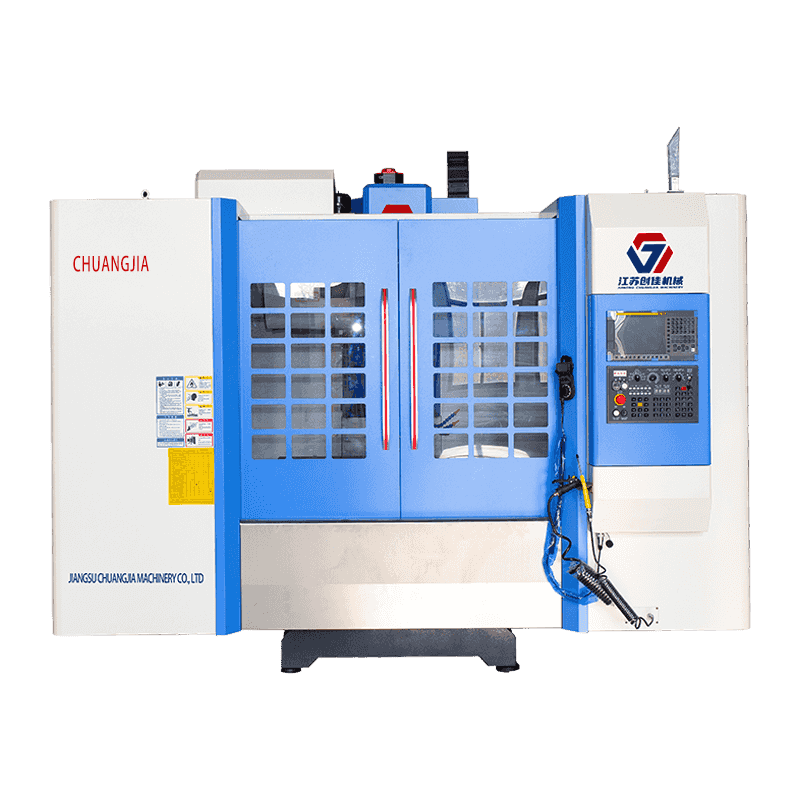
Hoʻopaʻa ʻia kēia moʻo o ka machining center i loko o ke kolamu hoʻokahi A-shape, mobile structure of workbench, rigidity kiʻekiʻe o nā ʻāpana kumu...
E nānā i nā kikoʻī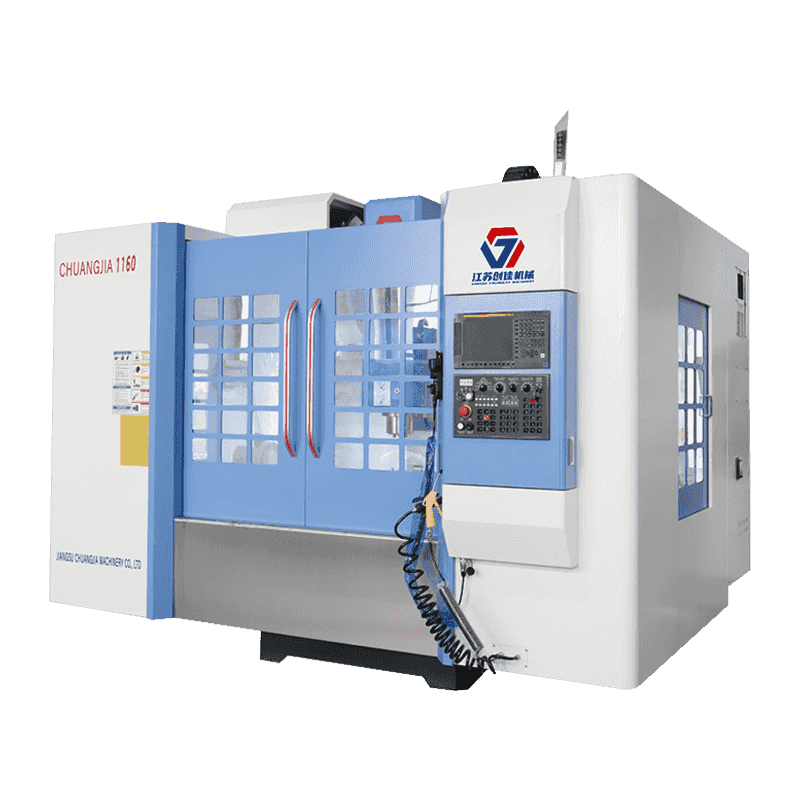
Hoʻopaʻa ʻia kēia pūʻulu o ka hopena machining ma ke kolamu hoʻokahi A-ʻano, ʻo ka hoʻopau ʻana i ka papa hana, ka rigidity kiʻekiʻe o nā ʻāpana ku...
E nānā i nā kikoʻī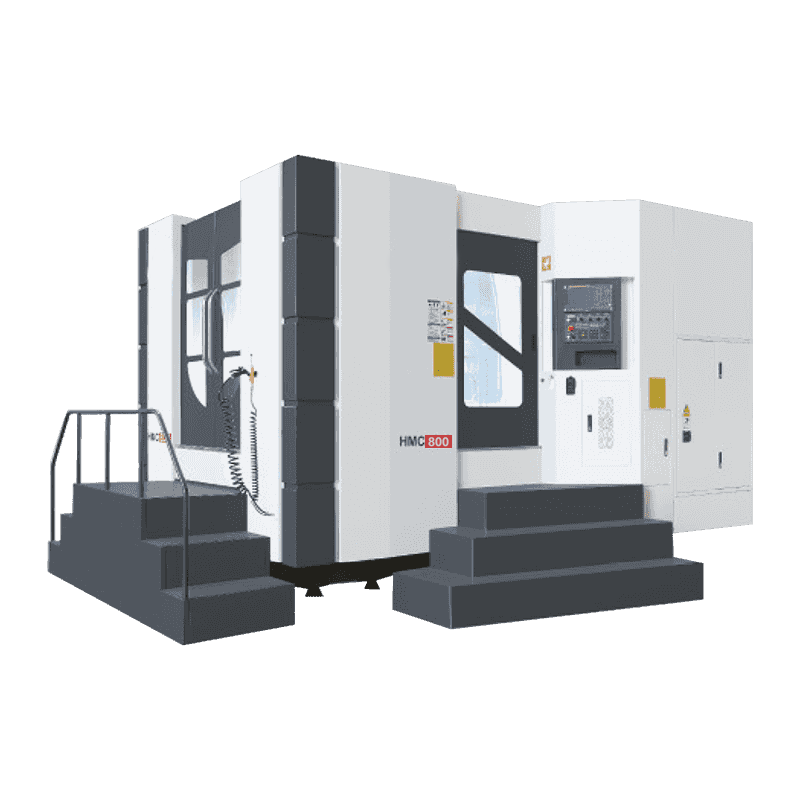
Hoʻohana ka moena i ka hoʻopuka T hoʻohuli ʻia, neʻe ka papaʻaina a puni (X axis), neʻe ke poʻo i luna a i lalo (Y axis) a neʻe ke kolamu i hope a ...
E nānā i nā kikoʻī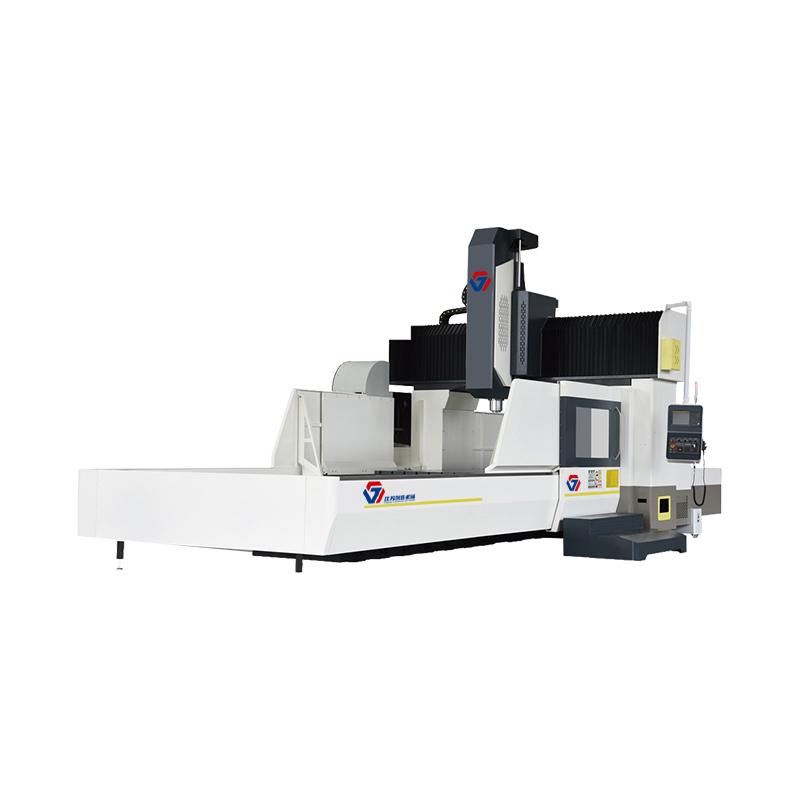
Hoʻohana ka hopena i ke ʻano hana o ke ʻano gantry paʻa a me ka neʻe ʻana i ka papa ma luna o kahi moena. ʻO ka hoʻokomo hoʻohui ʻia o ka kolamu Be...
E nānā i nā kikoʻī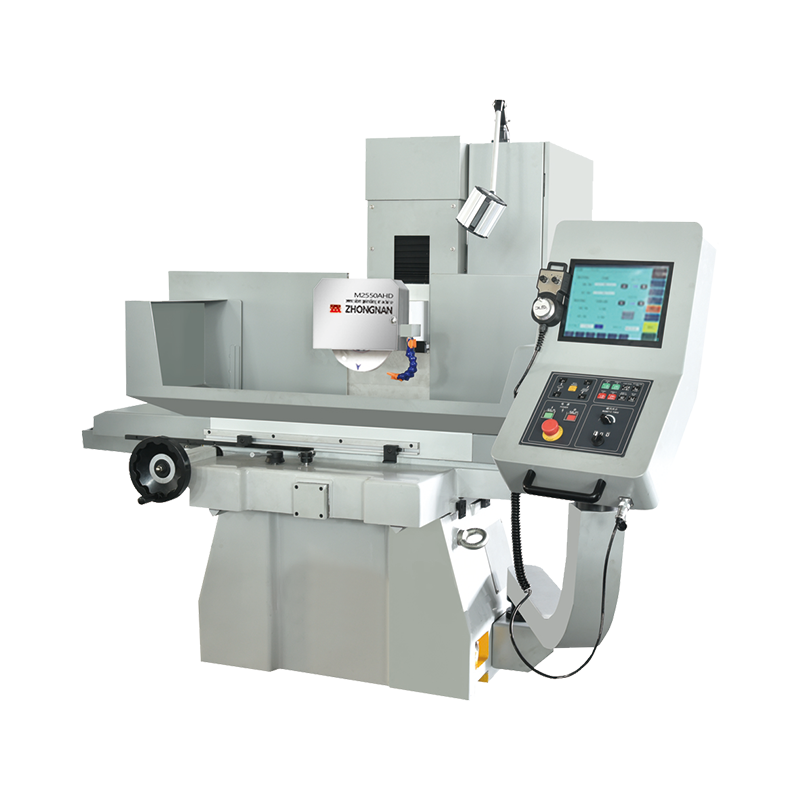
Kiʻekiʻe kiʻekiʻe / kiʻekiʻe wikiwiki / maʻalahi i ka hana ʻana i ka hopena honua CNC X axis hydraulic / YZ axis servo / ʻōnaehana CNC. Hoʻoikaika ...
E nānā i nā kikoʻī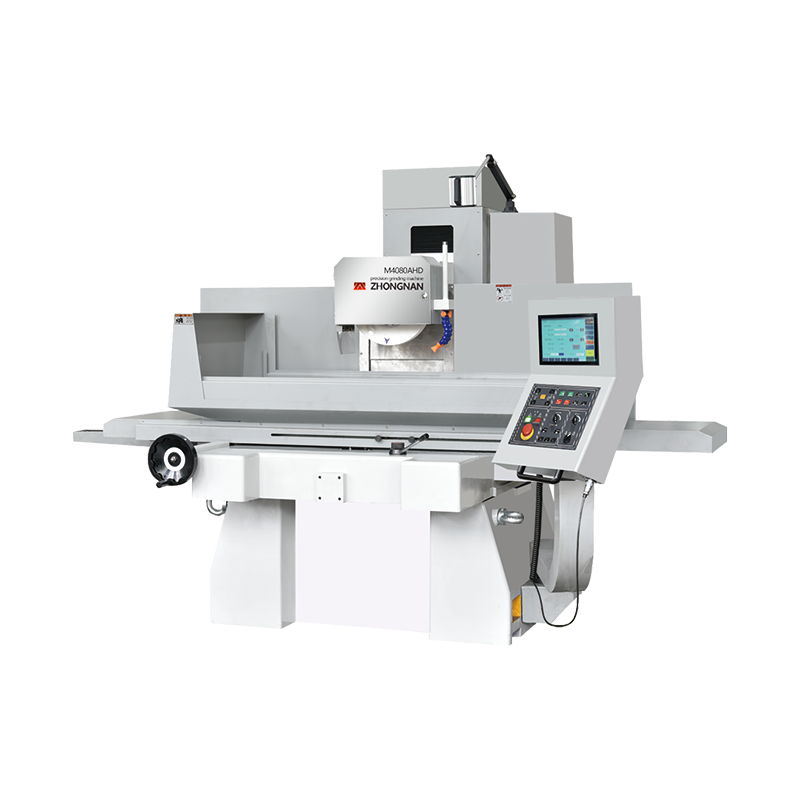
Kiʻekiʻe kiʻekiʻe / kiʻekiʻe wikiwiki / maʻalahi i ka hana ʻana i ka hopena honua CNC X axis hydraulic / YZ axis servo / ʻōnaehana CNC. Hoʻoikaika ...
E nānā i nā kikoʻī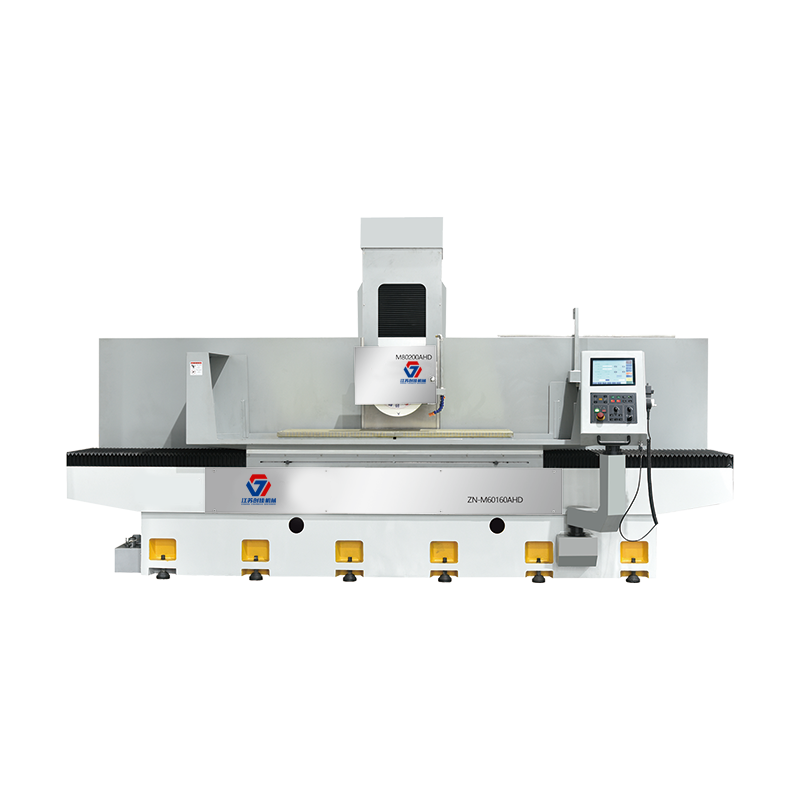
ʻO ka paʻahana ka mea kūpono no ka wili pololei ʻana o nā mea metala like ʻole, e like me ka mokulele, ka paepae a me ke ʻano kikoʻī, a hoʻohana nu...
E nānā i nā kikoʻī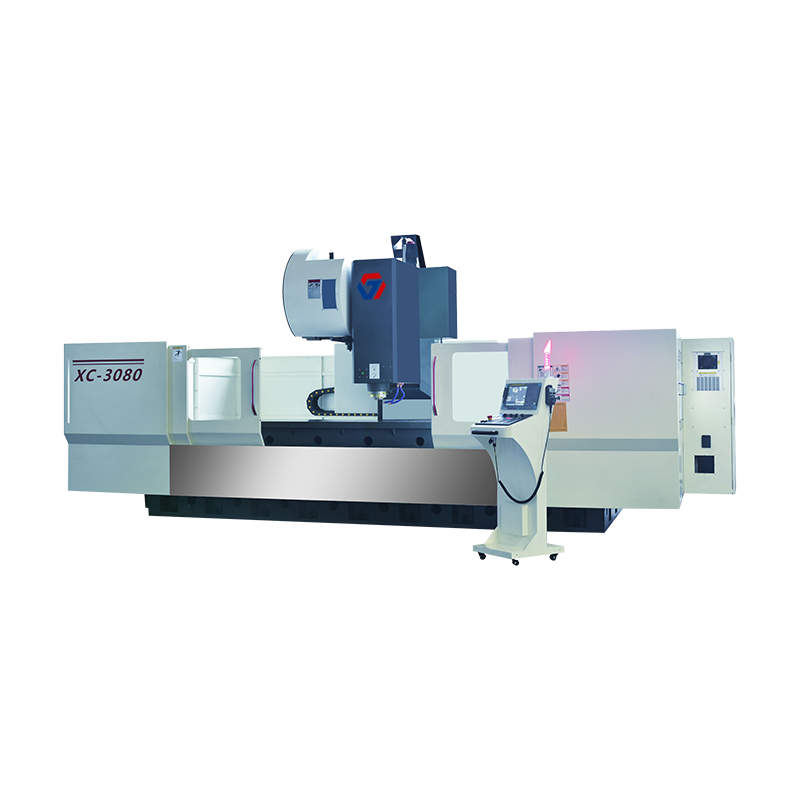
Hana nui i nā moʻolelo e hoʻololi o nā locomotives transit; Nā ʻāpana haiki a lōʻihi o nā kaʻa; Nā pā TV, nā papa pahu hau, nā pūpū lako kamaʻilio,...
E nānā i nā kikoʻī
All rights reserved Jiangsu Chuangjia Machinery Co., LTD.
